Top Bar





ENSURING FOOD SECURITY IS A NECESSITY OF THE TIMES
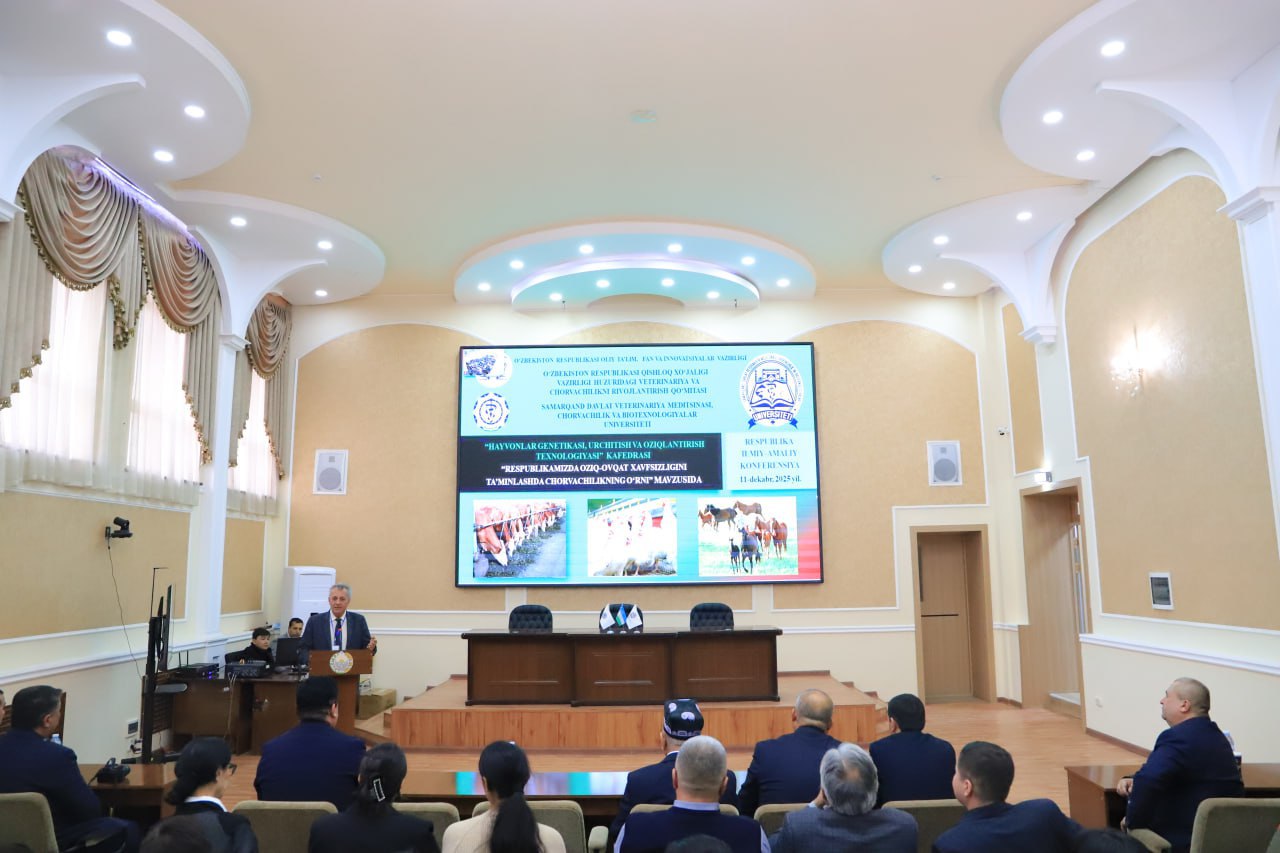
Food security is one of the most urgent tasks facing countries around the world. The UN also emphasizes today that it is time to completely change the approach to the production and distribution of food products. After all, in an ideal situation, agriculture, forestry and fisheries are able to fully provide everyone with food and create a source of income for people, as in the book. Moreover, in such a situation, both agriculture will develop in the interests of people and measures to protect the environment will be implemented.
The Republican Scientific and Practical Conference on the topic “The Role of Livestock Breeding in Ensuring Food Security in Our Republic” held at SamSUVMLB focused on these aspects.
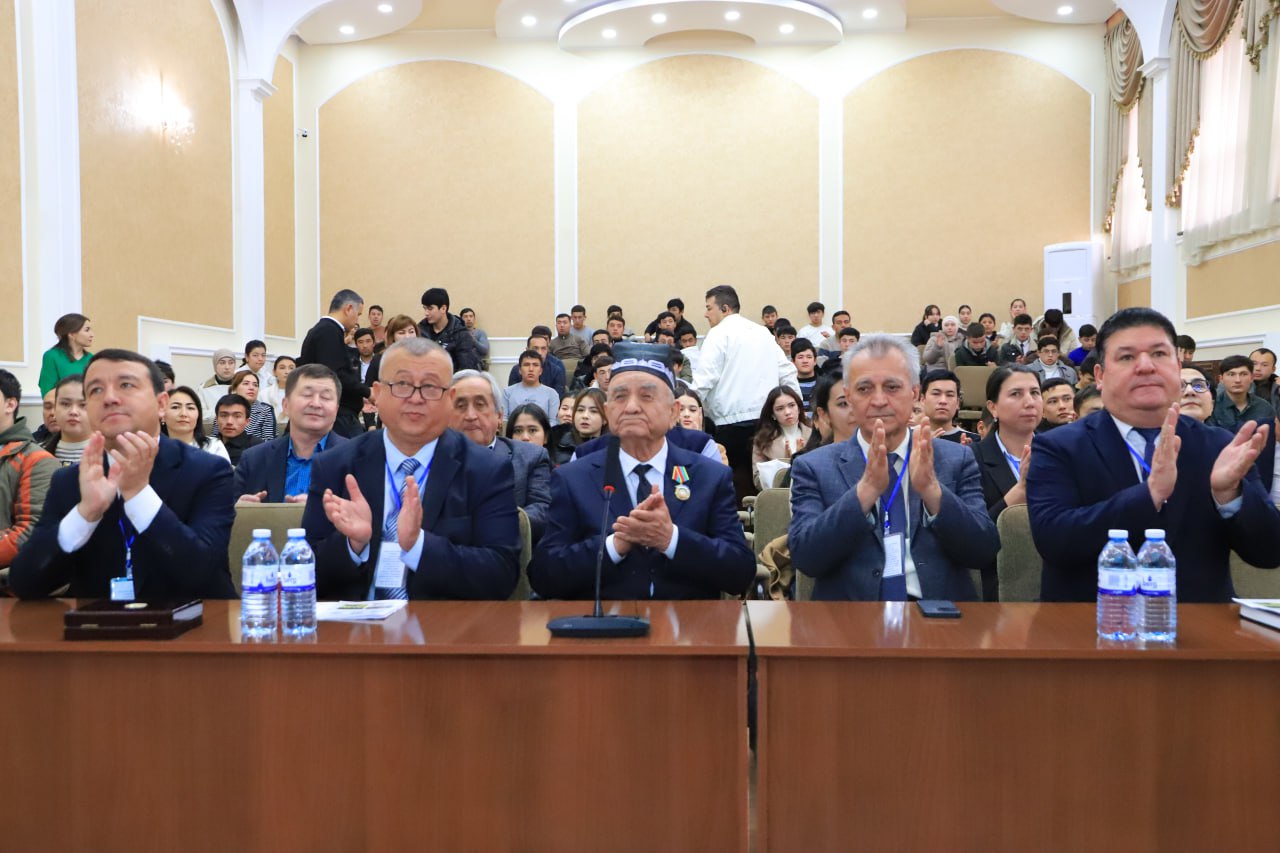
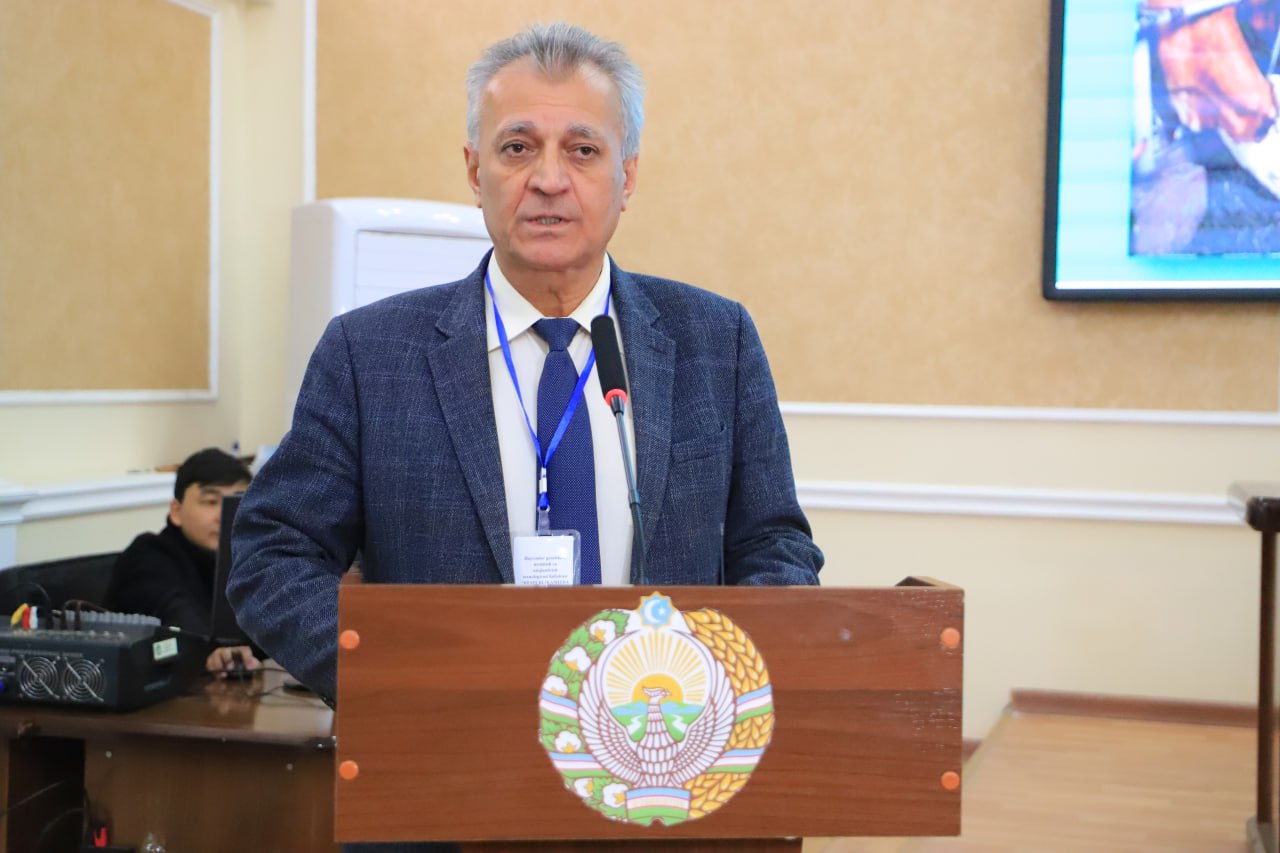
-Today, indifferent attitude to nature, increasing anthropogenic impact on it, wastefulness, the growing difference in food balance between advanced and developing countries, climate change are causing a number of negative factors, - said the rector of the university, academician Khudaynazar Yunusov, who opened the conference with his introductory speech. - Our delicacies, fresh water, oceans, forests, biodiversity are decreasing at a rapid pace, land fertility is decreasing, and soil is being degraded. Therefore, supporting the livestock sector, an important sector of ensuring food security, and increasing the production of meat, milk and eggs through the widespread use of resource-saving technologies, is becoming more urgent and a priority.
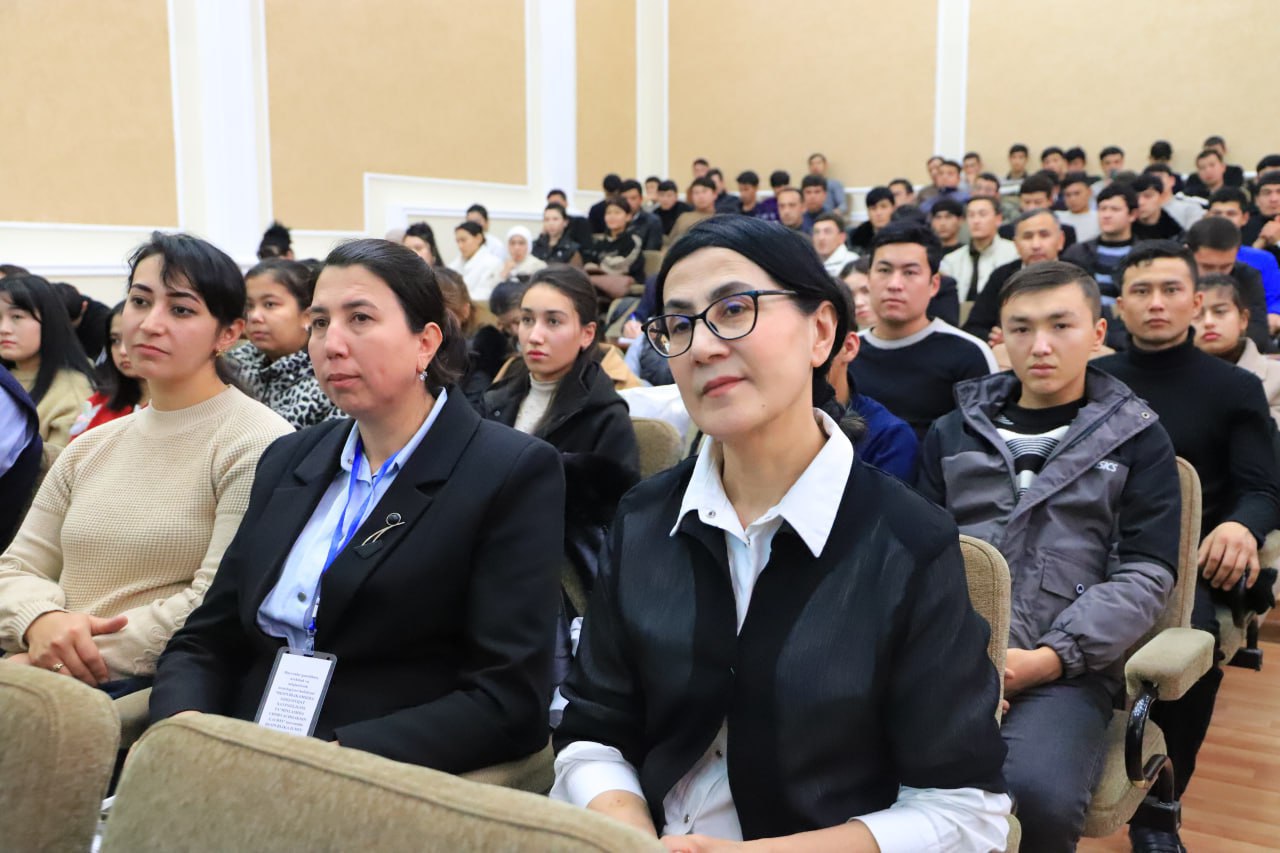
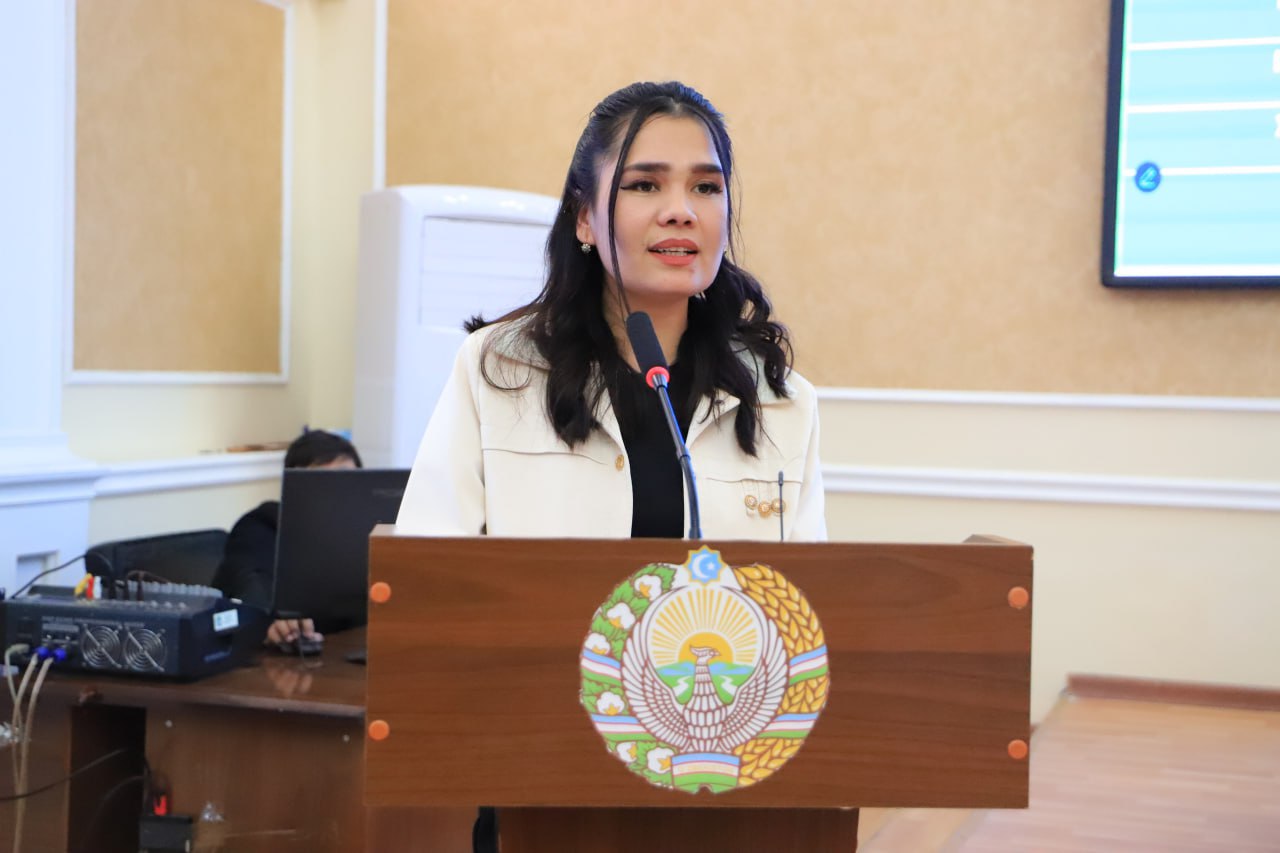
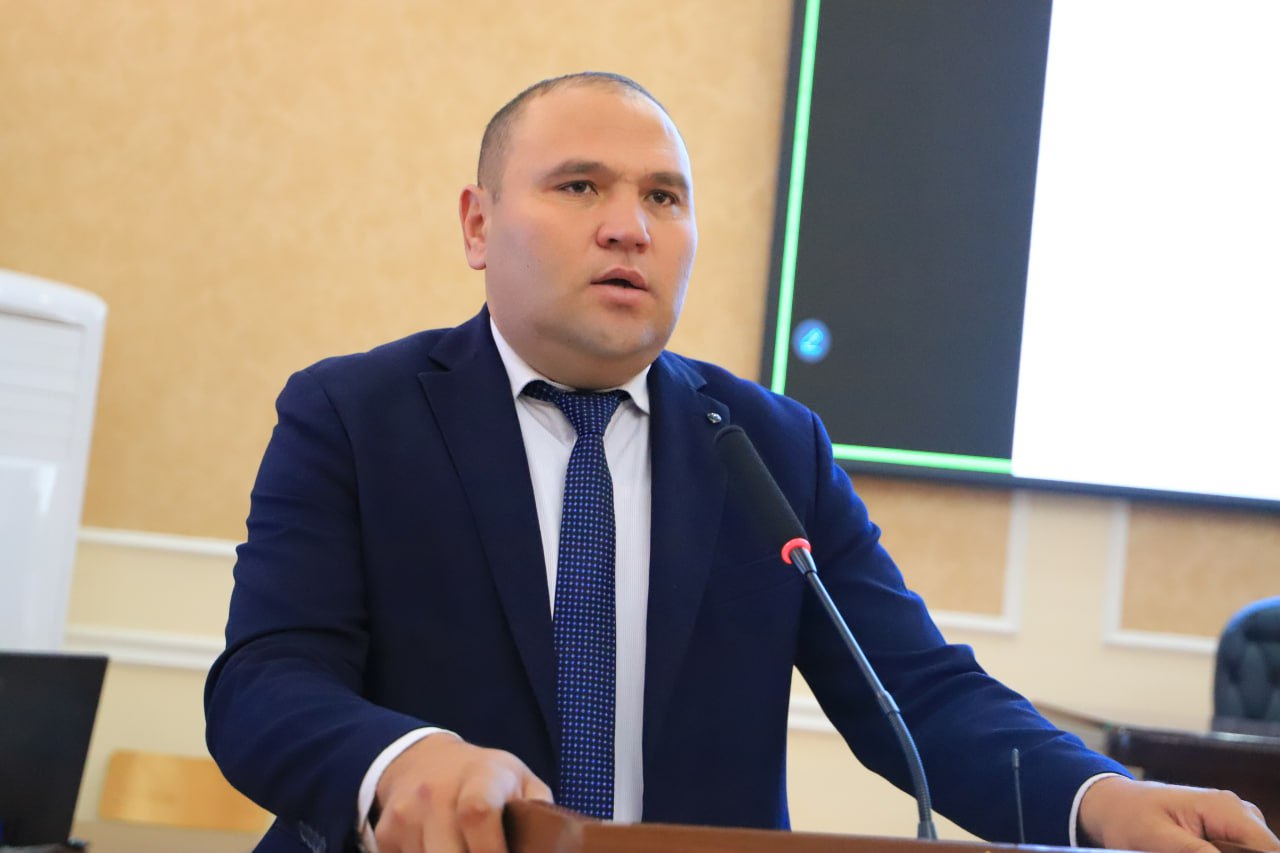
Also at the conference, university assistant U. Rakhimov made presentations on the topic “Growth indicators of tadpoles in experiments”, basic doctoral student M. Narzullayeva on the topic “Changes in the number of infusoria in the rumen fluid of cows and their physiological significance”, and basic doctoral student R. Khamidova on the topic “Regional development status of livestock sectors in the Republic of Uzbekistan”.
.jpg)
The conference continued its work, divided into sections such as “The role of livestock in ensuring food security in our republic” and “Current issues of introducing innovative technologies in the production of livestock products”.